COVID-19 and Virus Disinfection
Homes, workplaces and common areas receive virus disinfection following an outbreak.
See covid-19 and virus disinfectionGet infectious disease cleanup for a home, office, school, rental or shared space in Victor. The process covers cleaning, EPA-registered disinfectants, label contact time and a final check of treated surfaces.
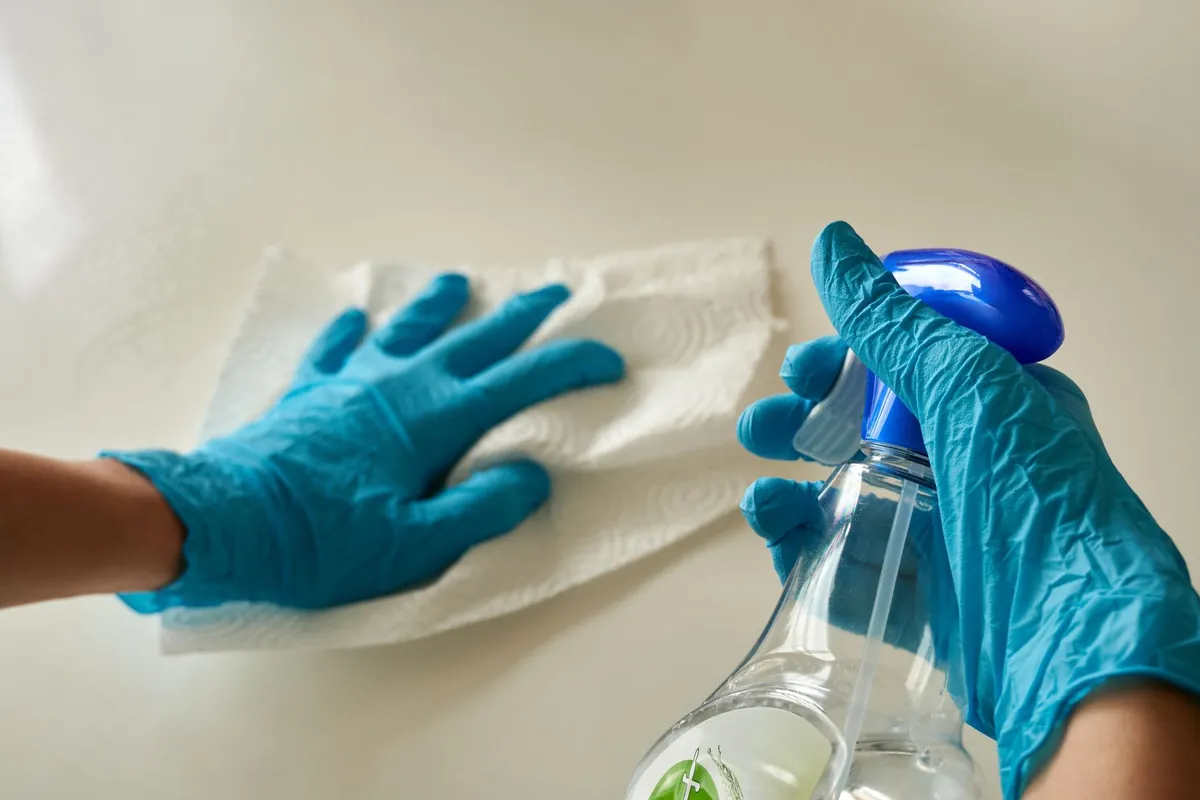
Infectious disease cleanup is the planned disinfection and cleaning of areas that may contain a disease-causing germ, including a bacterium or virus. It addresses the area involved as well as frequently touched items and nearby surfaces.
The cleaning process begins by identifying how the space is used, what contamination may be present and which surfaces can tolerate the selected product. Visible soil is removed first. An EPA-registered disinfectant is then applied according to its label, including the listed contact time. A surface must stay wet for that time so the product can work as directed.
A suitable setting may be a residence, school, workplace, restaurant, rental, healthcare facility or vehicle used by several people. The difference from ordinary cleaning is that a possible or confirmed infectious disease concern defines the work. If hazardous materials, blood or bodily fluids are involved, the job becomes biohazard remediation and could call for added protective gear, disposal of waste and removal of materials.
You should receive details on each stage, all covered surfaces, objects and rooms, and anything excluded from the work.
The product, dilution, surface compatibility and contact time should be explained clearly, without suggesting that a quick spray is enough.
Sensitive items can be identified before work begins, and you can discuss what may be cleaned, moved or left untouched.
Crews may keep activity within affected areas and use unmarked vehicles, helping you move forward discreetly.
A contamination incident, confirmed illness or suspected exposure may call for more than standard janitorial work. Infectious disease cleaning can be appropriate in situations such as these:
Focused work in bedrooms, bathrooms, kitchens and shared living areas when your household needs added help.
After an illness or exposure is reported, a home, workplace or shared facility receives focused cleaning and disinfection.
Cleaning of visible soil followed by disinfection of compatible surfaces in rooms used by an ill person.
These cleanup services use a planned treatment for customer areas, employee spaces, restrooms, break rooms and common touchpoints.
First, reduce contact with the area and prepare accurate details for the cleanup technicians. Take these steps before the job starts:
Call (888) 440-9227Published cost guides list virus decontamination at $1,500 to $3,500 per job and infectious disease decontamination at $1,000 to $8,000 or $2,000 to $8,000 per job. Another biohazard cleanup cost guide lists infectious disease disinfection at $1,500 to $10,000 per job. Your price depends on the space, germ, surface count, air system work and whether testing is needed.
Published national cost guides are the source for these ranges, rather than an inspection of your property. You learn what your property will cost after the on-site assessment and before any work begins.
Ask about cost: (888) 440-9227Whether insurance pays depends on the terms of the policy, the property affected and the source of contamination. A routine disinfection visit or cleaning for prevention may not qualify. If circumstances permit, confirm coverage for the particular event with your insurance company before work starts.
Check whether your policy covers the contamination, how much the deductible is and what photos, scope details or other records the insurer expects.
A business policy may treat cleanup costs differently from a home policy. Coverage is decided by the policy's wording together with the reason for the loss.
Who is responsible may depend on both the lease terms and which property area is affected. Before choosing who authorizes the service, read the applicable paperwork.
Insurance assistance may organize invoices, the work scope, suitable photos of the affected area and a treated-surface list for your claim records.
Disinfectant label requirements are considered alongside the suspected germ and the locations affected. The resulting remediation process gives every step a reason, including control of entry and a final check of all work in the scope.
Cleanup involves noting fragile materials, high-contact areas, rooms and any bodily fluids or waste capable of changing the planned work.
Access is restricted and a route from clean areas toward dirty ones protects surrounding spaces from equipment and people walking through.
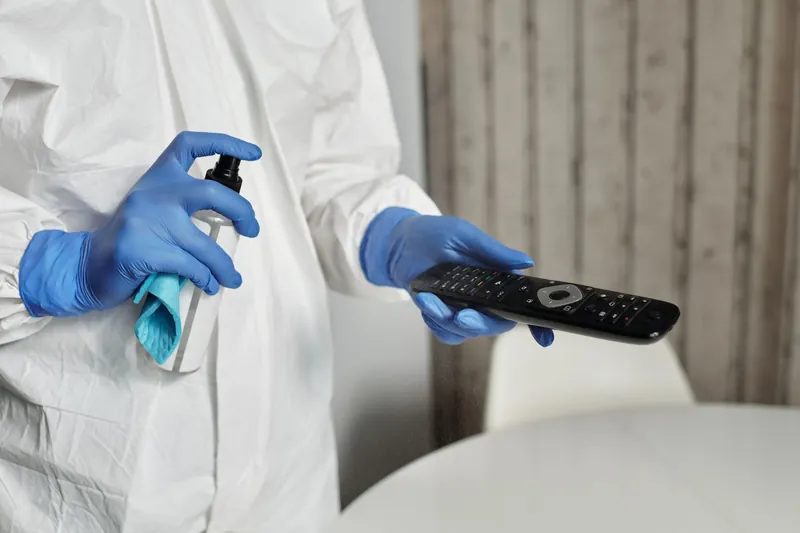
Selection of protective equipment and gloves reflects the chemical, job and exposure identified during scoping.
Each surface is cleaned of dust, soil and visible material using a fitting method before any disinfectant is applied.
The correct label dilution of an EPA-registered disinfectant is used on suitable surfaces and stays wet for the entire contact period.
Instead of relying only on a broad mist, treatment carefully covers counters, shared equipment, door hardware, switches and restroom fixtures.
The process cleans reusable equipment, contains single-use materials and sorts any hazardous waste into its correct disposal route.
Documentation closes the entire process after treated areas are reviewed against the scope, giving you a clear record of the surfaces and rooms addressed.
Call any hour. You speak with an infectious disease disinfection specialist who outlines the process and schedules a start time with you.
The main risks are exposure to contamination, using a product incorrectly and missing surfaces that people touch. A careful cleanup process controls each of these issues instead of relying on a quick spray.
How long germs stay viable and how they spread varies between bacteria and viruses. Disinfection planning depends on the setting, surface and germ that may be present.
Using too much product, mixing chemicals or ignoring ventilation directions can create added risks. The product label controls dilution, use and safety steps.
A contaminated shoe, glove, cloth or tool can transfer material onto another surface. That risk decreases with a clearly marked workspace and controlled movement through it.
Can you clean it yourself? With no known exposure or hazardous waste, and no bodily fluid present, ordinary cleaning could be enough. Professional cleanup offers you a documented, consistent approach if illness reaches multiple rooms, the space serves someone vulnerable or the affected area cannot be clearly defined.
Most disinfection for infectious disease treats existing surfaces without tearing materials out. Cleanable items are retained when this can be done safely. Materials affected by bodily fluids, or contamination that cleaning cannot remove, may follow a separate plan for disposal.
Cleanup time varies with the affected area's size, the quantity of surfaces, required contact time for the product and the ability to divide treatment into sections. A reliable schedule can only be determined after the site is assessed.
| Scene | Typical time on site |
|---|---|
| Focused area in a home | Often completed in one work period |
| Several rooms or a shared workplace | May be completed through planned sections or one longer session |
| A complex group of surfaces or large facility | May need work across several planned sessions |
Disinfecting for infectious disease does not necessarily remove an odor. Persistent smells can have other sources, such as moisture, an animal, sewage, spoiled food or bodily fluids, and that source may require a different cleanup service. Fragrance cannot take the place of disinfection or cleaning. Masking a smell also leaves its cause in the space.
The event determines whether air quality work is needed. Ventilation, wiping surfaces and treating an air system each involve separate work. Any treatment of air or HVAC components should follow occupied-space instructions and suit the building. Fogging or spraying cannot substitute for cleaning frequently touched surfaces, covering them fully with product and observing the contact time on its label.
The full infectious disease disinfection guide covers what is cleaned or removed, odor and air quality work, and the rules that apply in Ontario County.
Read the full infectious disease disinfection guideLocal housing, population and access details can shape containment, access and cleanup planning.
Rental housing represents 19.7% of households here, so cleanup information should still explain when a landlord must approve structural work.
In housing built around 1973, a moisture check can help define how far sewage or cleaning water traveled.
About 212 older residents live alone in Victor, equal to 29.2% of seniors and still relevant to welfare planning.
A single-family share of 81.0% makes private entrances useful for discreet equipment movement during a sensitive cleanup.
During your call, ask whether cleanup is available in surrounding communities and ZIP codes.
Homes, workplaces and common areas receive virus disinfection following an outbreak.
See covid-19 and virus disinfection
Cleanup in gyms, residences and care settings addresses C. diff, norovirus and MRSA.
See mrsa, c. diff and norovirus cleanup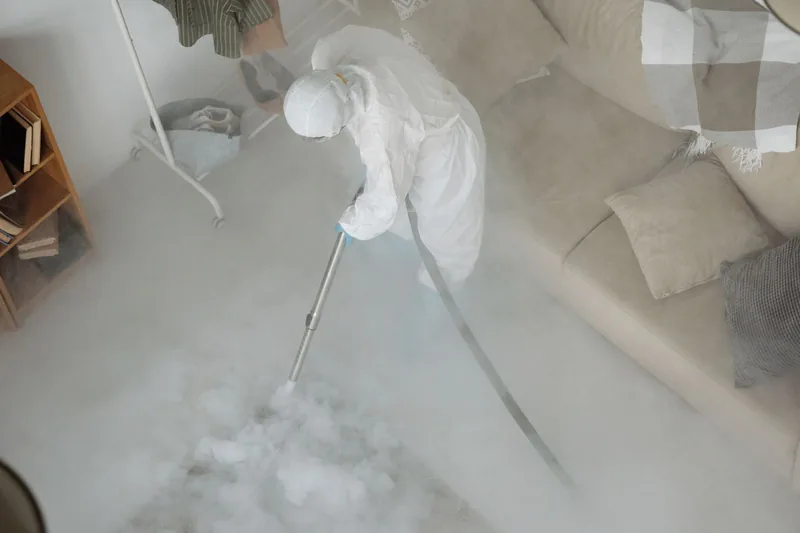
Full decontamination of rooms, surfaces and air after infectious or hazardous exposure.
See biohazard decontamination
Contamination is cleared through biological remediation, returning the space to safe use.
See biohazard remediation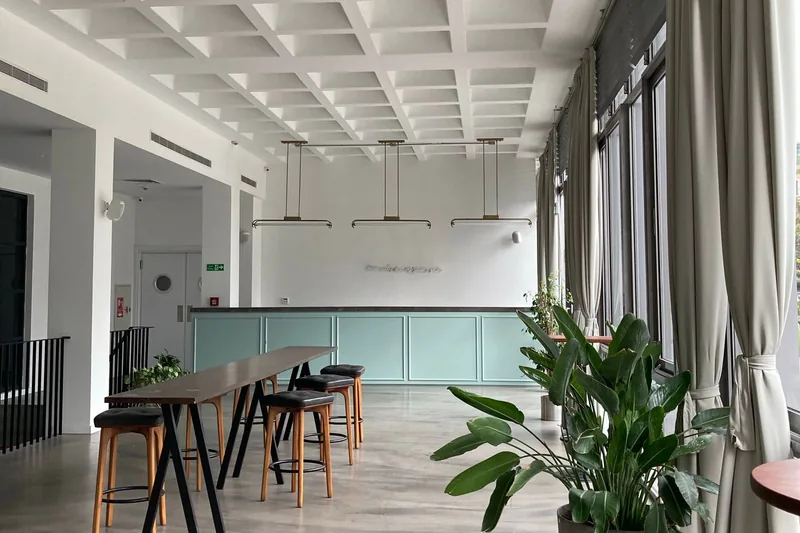
Commercial and industrial biohazard cleanup planned around site access and operating needs.
See commercial and industrial biohazard cleanup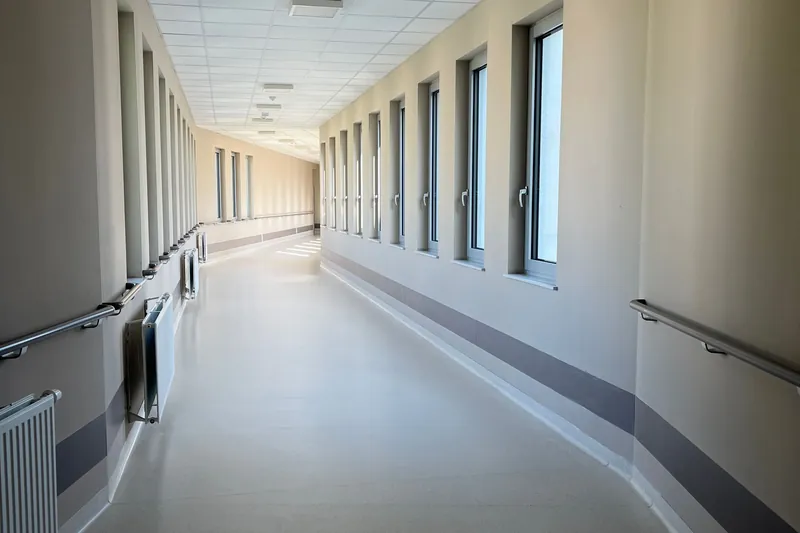
Healthcare biohazard cleanup covers clinics, care facilities and residential care homes.
See hospital and healthcare biohazard cleanup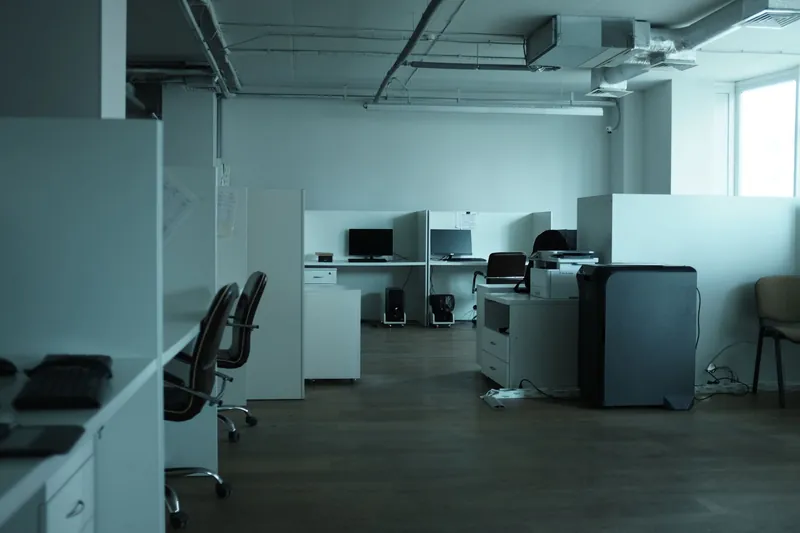
Workplace biohazard cleanup addresses office injuries and exposure incidents at work.
See office and workplace biohazard cleanup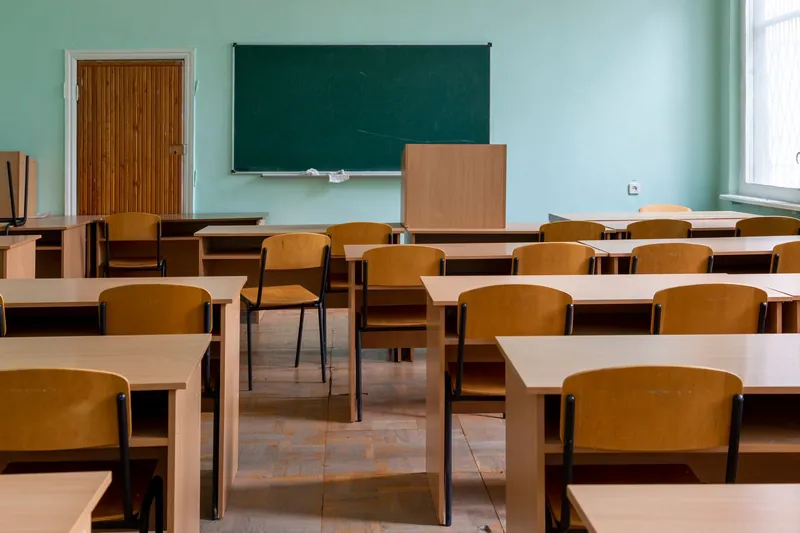
When classes are not in session, biohazard cleanup addresses schools and childcare settings.
See school and daycare biohazard cleanupA clear scope needs to list bathrooms, staff areas, customer spaces and frequently touched locations. Products and post-treatment actions must be appropriate for any surface that contacts food. Before a disinfectant is applied, cleaning clears the soil, then the label's entire contact time must be observed. The latest directions for food safety and public health continue to apply.
The cause of the cleanup and your insurance terms affect whether it is covered. Preventive disinfection may be treated differently from cleanup tied to a covered property loss. Before work begins, speak with your insurance company, explain only what you know and check whether approval is required along with the deductible, exclusions and documentation needs.
Start by keeping people away from the affected area and cleaning visible soil from compatible surfaces. Use an EPA-registered disinfectant according to every label direction for mixing and the required contact period. Focus on frequently touched objects and do not mix products. Current directions about testing, isolation and medical matters should come from your public health authority or healthcare professional.
One workable environmental method is limiting access before cleaning off dirt and disinfecting compatible materials. Infection control also includes personal hygiene, protective equipment and following current health guidance. The exact measures depend on the setting and suspected germ, so a healthcare facility may use different protocols from a home, office or restaurant.
First determine whether the wood is sealed, unfinished or covered by another finish. Follow the label and limit treatment to a cleaner plus EPA-registered disinfectant made for that type of surface. Test a small hidden area when appropriate. A different method may be necessary for absorbent, damaged or raw wood compared with sealed furniture.
One environmental step cannot suit each setting and every disease. Hand hygiene, appropriate cleaning and disinfection, ventilation, protective equipment and staying away from others when advised can each matter. Use up-to-date directions for the illness involved. Surface treatment must include initial cleaning and the full contact period stated on the disinfectant label.
Crews carry out respectful, discreet infectious disease disinfection, arrive in unmarked vehicles and take calls 24 hours a day.